Thursday, February 28, 2013

The Big Picture - February 2013

This post is part of a new monthly series published on the fourth Thursday of every month. It will provide an overview of themes and topics from the general meetings and committee meetings of the Ryan White Planning Council and Prevention Planning Group each month. To view meeting materials and presentations, please visit www.hivphilly.org.

Ryan White Planning Council (RWPC)

Every summer, the Planning Council (RWPC) makes contingency plans for how it will spend money for fiscal year, which starts the following spring. That way, they have a plan when they find out how much money they’ll be getting from the federal government. Grant awards come out at a different time every year, based on when the federal budget is finalized. As of the writing of this post on February 28, 2013, we have not yet received our full award for the fiscal year starting on March 1, 2013. This year, planning will be unusually challenging.

We are facing an impending sequester and the end of the continuing resolution (a type of continuation budget when Congress fails to make appropriations). Although the Ryan White program will still be fundable, the Ryan White Treatment Modernization Act is set to expire in the fall. While this could complicate our responsiveness to changes caused by the Affordable Care Act, government and community leaders decided not to seek reauthorization due to political and budgetary concerns. We’re also uncertain about the impact of Medicaid expansion – which, at this time, is very likely in New Jersey and unlikely in Pennsylvania. It could be called a perfect storm. (Learn more here.)

To prepare for a rocky year, the RWPC and its committees have pressed forward with their work. The Finance and Comprehensive Planning Committees have already begun to talk about the summer’s allocation process. The Finance Committee has agreed to hold two allocations processes this year: one in the traditional format, and a second that addresses potential changes caused by national-level issues. Since we are not sure how much money we’ll have for the year starting March 1, 2013, the Finance Committee recommended that we act as if we have received a 5% cut (a suggestion then approved by the RWPC).

Meanwhile, the Comprehensive Planning Committee looked at how the Ryan White service categories fit in the continuum of care. (Learn more about the continuum of care here.) The Needs Assessment Committee received a presentation from the AIDS Activities Coordinating Office (AACO) on its Client Services Unit (CSU) and quality management, so they would have a better idea of how to measure the effectiveness of the different services. The Positive Committee talked about disclosure and reviewed their goals and objectives. The Nominations Committee also discussed their policies and next steps in uncertain times. They’re also accepting applications for RWPC membership through the second week in March.

Prevention Planning Group (PPG)

In the second half of 2012, the PPG and RWPC jointly explored the idea of combining care and prevention planning in one body. This idea was tabled due to the uncertainty that surrounds the current planning environment. But, the PPG was still in need of a change. The CDC released new HIV Planning Guidance in July 2012, marking a shift away from the old duties of prevention planning.

In order to decide what the future of prevention planning should look like in Philadelphia, the PPG called two special February meetings: one on structure, and another on membership. A small group of dedicated members began the hard work of ironing out the details. They chose to recommend that the PPG have 12 – 20 voting members (plus non-voting members), who would meet every other month to plan for stakeholder engagement. They also recommended that the PPG build more flexibility into its process. (Read a summary of points from the workgroup meetings.)

When the PPG met in February, consultant Matthew McClain presented draft bylaws based on the recommendations from the two workgroups. He also created an outline of a work plan for the new group. After a thorough review of the bylaws, PPG members identified a few areas for change as well as their next steps. In coming weeks, the PPG will create roles and responsibilities for voting and non-voting members. They will also develop an application and scoring process, beginning with a special membership meeting.

This is an exciting, if tumultuous, time to get involved in community planning for the Philadelphia area. To learn more, follow the links in this post, attend one of the meetings listed on our calendar, or email info@hivphilly.org to find out how to get involved.

Thursday, December 20, 2012

An Inteview with an "Inquiring Mind"

This post is based on an online interview form submitted by "Inquiring Mind" on December 12, 2012.  It was updated on January 15, 2013.

Tell us about yourself.  I'm an avid reader and writer (e.g., poetry, short stories, world events...). I find joy in the arts (e.g., drawing, sewing, museums...), swimming, and rescuing strays. I owed to rescue animals: a Chihuahua/terrier and a Tuxedo cat. I refer to them as trouble-free family members.


What made you get involved in the HIV/AIDS community?  Sharing and learning raises awareness when there is so much information.
If you could change one HIV policy or implement a new policy, what would it be?  I'd make Human Sexuality Education mandatory in middle and high schools. The person(s) teaching would have to be certified to speak on various issues. Guest speakers should be made available to discuss topics that the instructor is not equipped to handle. Some people believe that a child's guardian should handle human sexuality topics, however, some guardians fighter lack knowledge and think the topic is taboo. If this is the case, the child needs other resources to pose questions.
Who do you look up to or admire?   I admire animals. They are intuitive and peaceful beings. If you pay close attention to them, they have so much to offer; they are the gurus to serenity.  As for people: George Clooney, Alicia Keys, The Clintons, Bono... and many other celebrities/politicians that fight for causes for selfless reasons.

What do you think is the biggest challenge facing people living with HIV/AIDS?  There's so much misinformation circulating about HIV/AIDS [and] the general public tends to believe what they hear without investigating. Moreover, since there are so many correlations between HIV and other diseases (diabetes, cancer, LUPUS, MS…) that there should be a focus for discussion. Peripheral neuropathy, vitamin and mineral deficiencies, and blood counts to name a few have similarities among people living with these diseases. How are they similar? How do they cope?
If you found out your friend was recently diagnosed with HIV, what would you tell him/her?  Learn all that you can from legitimate resources: doctors, trade magazines (e.g., POZ, PA, Colors, Plus…), websites (e.g., WebMD, AIDS.gov…) , HIV organizations... Last, use your best judgment when making decisions. If it sounds questionable, then question it.


This post is part of our World AIDS Day blog series celebrating the Philadelphia-area HIV/AIDS community. To share your own story, please submit an original post to HIVPhillyWebmaster@gmail.com or fill out an interview form.

Wednesday, December 19, 2012

"Finding Myself," by Evelyn

Thanks again to Adam for submitting these amazing digital story.  Next we have another video from the "Having it Heard" project. This is Evelyn's story, "Finding Myself."


This post is part of our World AIDS Day blog series celebrating the Philadelphia-area HIV/AIDS community. To share your own story, please submit an original post to HIVPhillyWebmaster@gmail.com or fill out an interview form.

Tuesday, December 18, 2012

Happy Holidays from Ms. Mary, OHP Staff

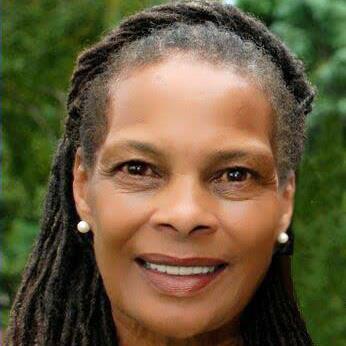
I live in West Philadelphia, and I am 68 years old.  I have worked at the Office of HIV Planning for at least fifteen years.  I enjoy reading and spending time with my children and grandchildren.  They bring such joy to my life. 

I have come to know some very interesting, intelligent, and special people while employed at this office – many of whom are no longer walking on the earth but will always be remembered in spirit.   I came in contact with this organization while I was working at the campus ministry at Temple University.  The director of what was known as the Philadelphia EMA HIV Commission needed someone that she thought was trustworthy to keep track of billing, reimbursements of payments and other clerical duties, and I was recommended for the position. 

Needless to say I am still here, but the name has changed to the Office of HIV Planning.  We had a very small staff at the time, and therefore I was responsible for taking minutes for various committees, as well as taking care of meeting logistics, such as ordering food, giving out tokens, and making telephone calls to make sure everyone knew the meeting dates and times.   As I became more and more involved with my role in the process, I became closer and closer to the participants that I came in contact with.  My life will always be affected by the people I have met through this office.   They have been a blessing to me in ways I cannot explain. Many of them only know me as Ms. Mary.  I still pass out tokens at meetings and make sure all reimbursements are processed in a timely manner, but I no longer take minutes.     

I also get to hear about what's going on in many of the lives of those attending meetings on a more personal level.  Often I hear about doctors’ visits and ailments.  Sometimes people will just stop by my desk to ask for prayers for something they or someone else may be going through.  I think highly of many of the people that continually give their lives to making a difference in this epidemic - especially the Dale Grundys, the Diane McFaddens, the Rick Britts, and others that worked endlessly and tirelessly to make changes to policies they believed were not in the best interest of those living with HIV/AIDS.  They have gone on, but there are new workers to take their place.  Whenever I get up in the morning not wanting to get up to come to work, I think about the challenges these friends and others experience on a day to day basis.  It gives me strength.

If there was one policy that I would like to see implemented, it would be partner notification.  Having been married to a gay male before the epidemic was as prevalent as it is today, I feel that I would have wanted to know if he was positive.  At least I would have had a choice to make.  However, he would not admit that he was gay, so why would he have admitted he was positive.  I am not passing judgments on anyone, but feel that if one has to take responsibility for their actions, they may become less likely to show precocious behavior when they are infected with HIV/AIDS.     

I would like for anyone that may have the opportunity read this to know that I am sincere about my compassion for humanity, whether it is someone with HIV/AIDS, a homeless person on the street, or someone else that has come in contact with the challenges of today's society.  I have also had many, many challenges in my life.  God has been merciful to me and I feel blessed.    

This post is part of our World AIDS Day blog series celebrating the Philadelphia-area HIV/AIDS community. 

Monday, December 17, 2012

"Another Chance," by Ralph Moses

We've been loving the opportunity to share the digital stories submitted by Adam.  Next we have another video from the "Having it Heard" project. This is Ralph's digital story, "Another Chance."


This post is part of our World AIDS Day blog series celebrating the Philadelphia-area HIV/AIDS community. To share your own story, please submit an original post to HIVPhillyWebmaster@gmail.com or fill out an interview form.

Sunday, December 16, 2012

An Interview with Michael

This post is based on an online interview form submitted by Michael on December 11, 2012.


Tell us about yourself.  My name is Michael and I live in the city of Philadelphia. I am 54 years old and appreciate the great family that God has given me. At this point in my life, I am enjoying being retired. Most of my time is spent giving back to society. At this present time, I volunteer for many agencies in the Philadelphia that help individuals with prevention, awareness, and education around HIV/AIDS. I have many hobbies and interests, such as: trusting and believing in God, reading, traveling, serving the community, helping those in need, writing poetry, tutoring, and much more.
What made you get involved in the HIV/AIDS community?  I got involved in the HIV/AIDS community when I tested positive for the virus. First, I had to educate myself before giving back to the community. My counseling message to the affected & infected population is to encourage male or female condom use during sexual activity, emphasize the importance of being adherent if taking HIV medications, discuss importance of STD screenings and treatment, and partner testing & treatment, emphasize importance of adhering to ART to reduce viral load and increase CD4 count & being open to having a honest conversation around knowing your partner history and using protection every time.
If you could change one HIV policy or implement a new policy, what would it be?  If I could change one HIV policy or implement a new policy, it would be to let the consumers and stakeholders know that HIV is primarily a sexually transmitted infection. Development of a supportive environment requires national and community wide discussion of relationships, sex, and sexuality, risk, risk setting, risk behaviors, and cultural practices that may increase the likelihood of HIV transmission. This policy change will help with education, prevention, and awareness globally.

Who do you look up to or admire?  The person I admire the most is God. He gives me grace and new mercy every morning.

What do you think is the biggest challenge facing people living with HIV/AIDS?  The biggest challenge facing people living with HIV/AIDS is staying linked to care, and the stigma around the virus.

If you found out your friend was recently diagnosed with HIV, what would you tell him/her?  If I found out that one of my friends tested HIV positive, I would tell them it is no longer a death sentence. You can live a long healthy life through treatment.


This post is part of our World AIDS Day blog series celebrating the Philadelphia-area HIV/AIDS community. To share your own story, please submit an original post to HIVPhillyWebmaster@gmail.com or fill out an interview form.

Saturday, December 15, 2012

"How I Found My Way Back," by Marcie

Our next entry is another video from the "Having it Heard" project. This is Marcie's digital story, "How I Found My Way Back."


This post is part of our World AIDS Day blog series celebrating the Philadelphia-area HIV/AIDS community. To share your own story, please submit an original post to HIVPhillyWebmaster@gmail.com or fill out an interview form.